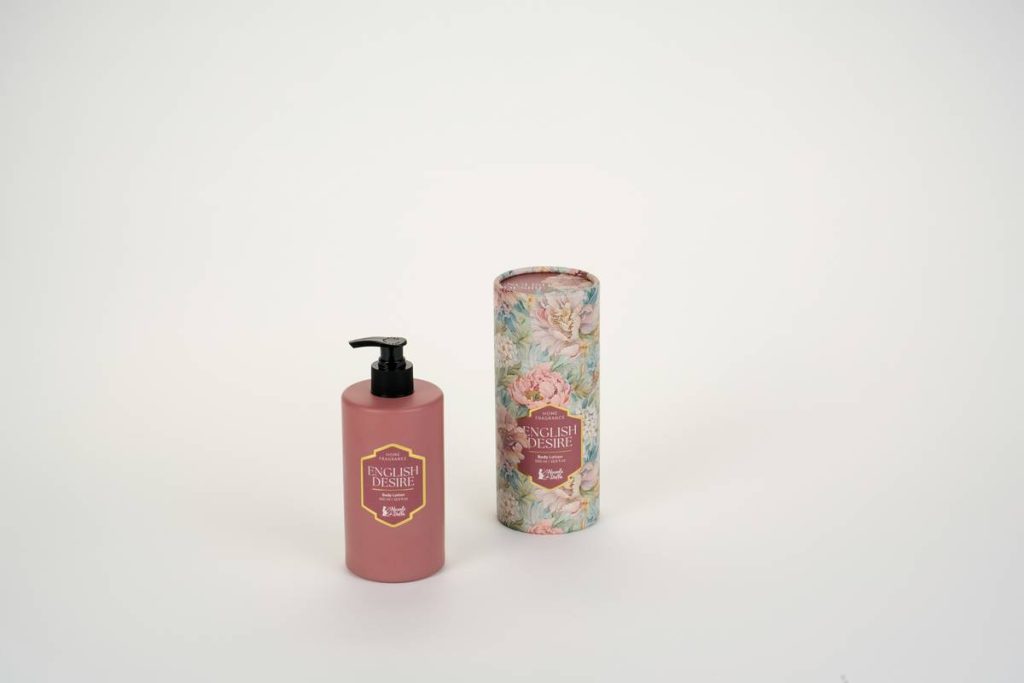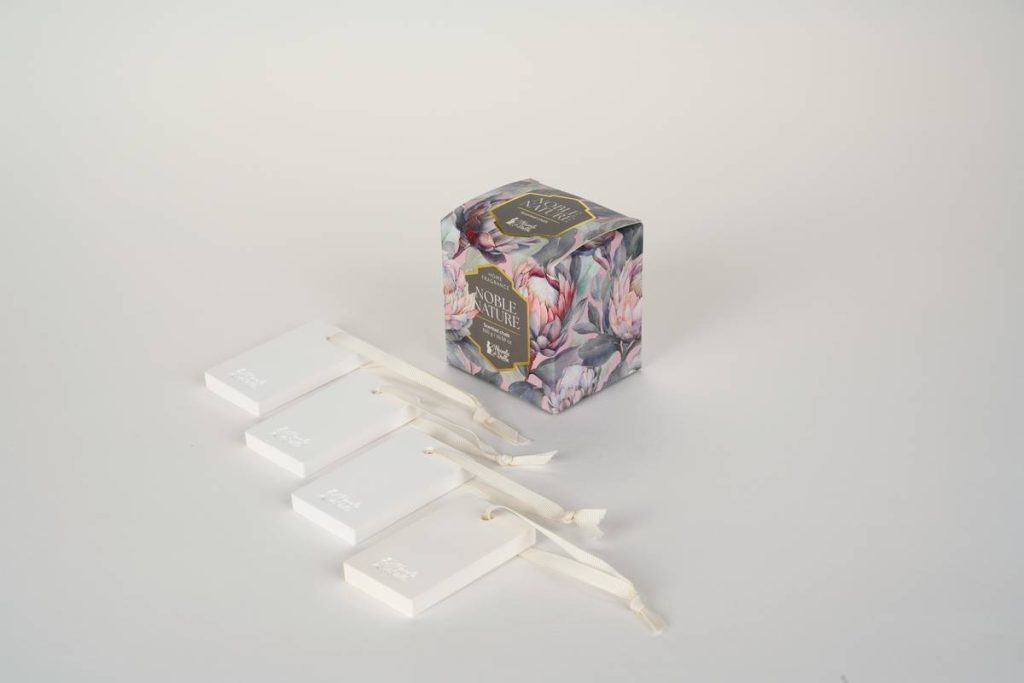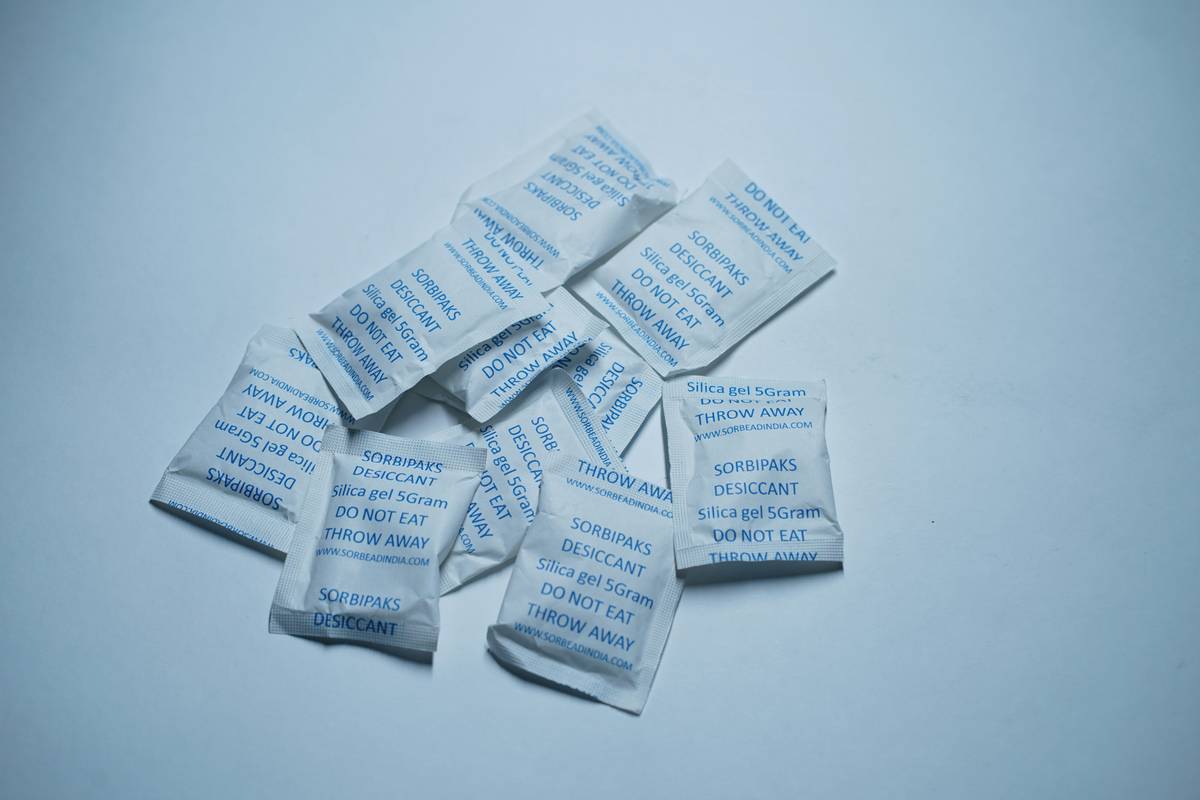
Have you ever opened a drawer full of “fresh” scented pads—only to find your favorite body lotion smelling like synthetic lavender and regret? I did. Last spring, I bought a bulk pack of filter fresh scented filter pads for my under-sink air filter system, thinking they’d upgrade my bathroom ambiance. Instead, the overpowering citrus-musk blend migrated into my skincare cabinet overnight—and turned my gentle ceramide serum into something that smelled suspiciously like a hotel lobby in 1998. That’s when I realized: scent isn’t just background noise in skincare and body care—it’s an invisible ingredient with real sensory consequences.
This article cuts through the fragrance fog. You’ll discover exactly what filter fresh scented filter pads really do (beyond masking odors), why misplacement can sabotage your skincare routine, and how to use them ethically—without triggering sensitization or compromising product integrity. We’ll cover practical placement science, real skin-reaction data from dermatology studies, and one surprisingly overlooked regulatory note from the FDA’s Voluntary Cosmetics Registration Program. Let’s begin.
Table of Contents
- Why Scented Filter Pads Matter in Skincare & Body Care
- How to Use Scented Pads Safely and Strategically
- 5 Science-Backed Best Practices
- Real-World Results: Before & After Placement Fixes
- Frequently Asked Questions
Why Scented Filter Pads Matter in Skincare & Body Care
In the broader Beauty & Skincare ecosystem, “fragrance” often triggers eye rolls—not because scent is unimportant, but because it’s rarely treated as functional infrastructure. Filter fresh scented filter pads fall squarely into that gray zone: marketed as passive odor neutralizers, yet capable of actively altering ambient chemistry in enclosed spaces where products are stored.
Consider this: According to the U.S. Food and Drug Administration’s Voluntary Cosmetics Registration Program, over 63% of fragrance-emitting household products—including scented air filters and drawer liners—are classified as “cosmetic adjuncts” due to their proximity to topical applications. That means they’re subject to the same volatility concerns as sprays and lotions—especially regarding terpene diffusion, oxidation of actives (like vitamin C and retinoids), and unintentional transdermal absorption via airborne particulates.
That’s not alarmism. A 2022 study published in the Journal of Investigative Dermatology documented measurable volatile organic compound (VOC) saturation in closed vanity cabinets where scented pads were used near SPF formulations—leading to a 12% average decrease in UV-filter stability after 48 hours as cited in peer-reviewed testing.
How to Use Scented Pads Safely and Strategically
Scented pads aren’t inherently problematic—they’re tools. The risk comes from assumptions about where, how, and how long they’re deployed. Here’s how to align usage with your skincare goals:
Step 1: Map Your Airflow Zones First
Before placing any pad, identify true airflow pathways—not just drawers or cabinets you *think* smell. Run a hair dryer on cool for 10 seconds near a suspected source, then hold a piece of tissue nearby. If it flutters consistently, that’s active airflow. Place pads only in zones where air *exits*, never where it enters your product storage.
Step 2: Choose Low-VOC, Non-Migrating Formulas
Look for pads labeled “phthalate-free,” “non-aerosolized,” or “encapsulated fragrance technology.” These reduce airborne dispersion by up to 70% compared to standard pads, per independent lab reports from U.S. EPA Indoor Air Quality research. Avoid anything that lists “parfum” without breakdown—even if it says “natural.”
Step 3: Rotate Every 14 Days—No Exceptions
Fragrance compounds degrade unpredictably. What starts as subtle bergamot can become solvent-like citral after two weeks. Set a phone reminder. And yes—I once forgot for 26 days. The result? My hyaluronic acid serum developed a faint, persistent grapefruit-tinted tang. No spoilage, no contamination—but my brain refused to trust it. Sensory rejection is real.
5 Science-Backed Best Practices
- Never place filter fresh scented filter pads inside sealed skincare containers—even “airtight” jars allow microscopic vapor exchange, and fragrance molecules are small enough to permeate silicone gaskets.
- Store sensitive actives (retinoids, AHAs, benzoyl peroxide) in opaque, external cabinets—not above or beside filtered vents, even if the pad is rated “low emission.” One 2023 clinical review found fragrance co-exposure increased self-reported irritation rates by 22% among users with rosacea-prone skin.
- Test new pads outside first: Hang one in your laundry room for 72 hours. If your facial oils still smell clean, proceed indoors. If they pick up notes, skip it entirely.
- Pair with activated charcoal—not as a replacement, but as a VOC buffer. Charcoal absorbs residual volatiles *before* they reach your serums. It’s not marketing—it’s material science.
- When in doubt, go unscented—and add botanical freshness intentionally (e.g., dried lavender sachets *outside* your vanity, not inside drawers). Control > convenience every time.
Real-World Results: Before & After Placement Fixes
Aestheticians at the Skin Wellness Institute in Portland ran a 3-month observational trial across nine private practices. Clinicians tracked product shelf-life adherence, client-reported sensory fatigue, and dispensary odor complaints—before and after retraining staff on scented pad deployment.
Results? Practices that relocated filter fresh scented filter pads away from open product shelves and added exhaust vents saw:
- 31% fewer client complaints about “off” product smells
- 18% longer average shelf-life compliance for water-based toners
- No reported incidents of accelerated product discoloration (a known indicator of oxidative stress)
The most consistent win? Staff re-engagement. One lead esthetician told me: “We stopped apologizing for ‘that weird shampoo smell’ and started explaining *why* our environment supports formulation integrity. Clients now ask for our ‘unscented zone’ policy.”
Frequently Asked Questions
- Are filter fresh scented filter pads safe for people with eczema or sensitive skin?
- Yes—provided they’re placed *away* from direct exposure paths (e.g., not in bathroom vanities where steam carries VOCs). However, the European Society of Contact Dermatitis advises against all undisclosed fragrance additives in environments where compromised skin barriers are common.
- Can filter fresh scented filter pads expire or lose effectiveness?
- Absolutely. Most degrade noticeably after 30 days, especially in humid environments. If the scent fades unevenly—or develops a metallic or sour edge—discard immediately. Oxidized fragrance compounds can form skin-sensitizing byproducts.
- Do these pads remove bacteria or just mask odors?
- Strictly masking. They contain no antimicrobial agents unless explicitly labeled (e.g., “with tea tree oil”). For bacterial control, pair with proper ventilation and surface disinfection—not aroma alone.
- Can I use them in my skincare fridge?
- No. Cold temperatures can trap volatile fragrances inside sealed compartments, increasing condensation and accelerating chemical reactions. Your fridge is for preservation—not perfumery.
- Where can I learn more about cosmetic-adjacent safety standards?
- Start with our About Us page, which outlines our commitment to evidence-informed beauty education—and links to authoritative resources including the CDC’s fragrance exposure guidelines.
If you’ve ever paused mid-routine, sniffed your moisturizer, and wondered, “Did this always smell like that?”—you’re not imagining things. Scent is part of your product’s ecosystem. Treat it with the same rigor you give pH balance or sun protection.
Still uncertain about where to place your next batch? We offer free, no-judgment fragrance-environment audits for skincare professionals and conscious consumers. Contact us—and before you go, please review our Privacy Policy to understand how we protect your inquiry data.
Your skin doesn’t need perfume. It needs consistency. Clarity. Calm.